Manufacturing
Part of Creator brand manufacturing
Choosing a manufacturer for a first product: a framework
Compare first-product manufacturers on capability, quality evidence, sample work, timing and clear production terms before placing a run.
Start with a shared brief, then compare like-for-like quotes and evidence that a candidate can make and check the product. Confirm the applicable Australian product-safety requirements, assess a sample and quality plan, then decide whether the first run is affordable and supportable.
Framework for Choosing a Manufacturer for Your First Product in Australia
- Start with a shared briefDefine intended use, materials, dimensions, variants, packaging and first-run quantity. Clarify fixed requirements and optional changes.
- Compare like-for-like quotesRequest breakdowns for setup, tooling, samples, production, packaging, inspection, freight and payment stages.
- Confirm Australian product-safety complianceCheck mandatory standards via Product Safety Australia; ensure test reports are from accredited labs or certification agencies.
- Assess sample and quality planVerify pre-production sample meets brief; arrange independent technical testing if needed.
- Decide on affordability and supportabilityReview funding, timeline, risk of delay, and ability to manage inspections and non-conforming units.
Give every candidate the same brief
Describe the item's intended use, materials or contents, dimensions, variants, packaging and expected first-run quantity. Identify fixed requirements and choices the manufacturer may propose changing. Ask every candidate to separate setup or tooling, samples, production, packaging, inspection, freight and payment stages.
Request minimum-order terms, lead-time assumptions and the point at which changes add cost. Ask candidates to state the assumptions behind freight, payment stages and timing so you can compare the same offer elements.
If the design is still changing, treat the production quote as conditional. Keep responses tied to the same specification version so a cheaper offer is not simply for a different item.
Check who will make and control it
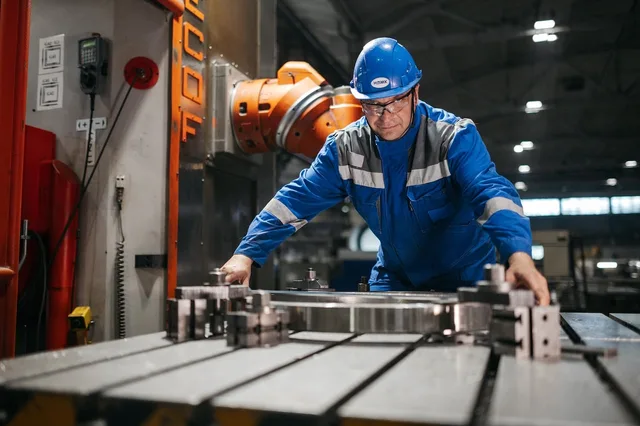
Ask whether the candidate operates the production site, uses another factory or acts as an agent. Record where important steps happen and who can approve substitute materials or components. If work is subcontracted, ask how it is checked and what records the business can see.
Request evidence relevant to the item: comparable work, records of regular factory audits, raw-material testing, assembly-line processes and quality checks, and pre-shipment inspections. Ask who supervises inspections; ACCC Product Safety recommends adequate supervision by qualified staff appointed by an independent inspector, as well as current and adequate staff training.
For product testing, request copies of relevant test reports, preferably from accredited test bodies or laboratories, or written certification of compliance from a certification agency. A report for a different product does not establish that this item meets its requirements.
Compare the whole offer
Australian suppliers are legally responsible for product safety, including when goods are made elsewhere and products do not have mandatory safety requirements. Under the Australian Consumer Law, suppliers—including manufacturers, importers, distributors and retailers—must not supply goods that fail relevant mandatory standards.
Use Product Safety Australia to check the category against its lists of products with mandatory standards and bans. The ACCC is Australia's consumer product safety regulator. Mandatory requirements can cover performance, composition, contents, methods of manufacture or processing, design, construction, finish, packaging or labelling; information standards can include ingredient labels for cosmetics or care labels for clothing and textiles.
| Question | Evidence to request | Reason to pause |
|---|---|---|
| Can they make this item? | Comparable work and a response to the current specification | Critical features receive only broad assurances. |
| Can they control production? | Factory audit, raw-material testing, assembly-line and quality-check evidence | Controls or checks cannot be demonstrated. |
| Can they support product compliance? | Relevant test reports, preferably from accredited bodies, or written certification of compliance | Evidence is for a different product or does not address the applicable requirements. |
| Can they support the schedule? | Milestones, capacity assumptions and delivery terms | The date leaves no room for sampling or inspection. |
| Can problems be resolved? | Written rework, rejection and escalation terms | Neither party knows what happens to failed units. |
Compare candidates against the same questions and quoted line items. Manufacturer size alone establishes neither quality nor reliability; check what each candidate can do for this product and order.
Key Evaluation Criteria for First-Product Manufacturers in Australia
- Can they make this item?
- Comparable work and a response to the current specification
- Can they control production?
- Factory audit, raw-material testing, assembly-line and quality-check evidence
- Can they support product compliance?
- Relevant test reports from accredited bodies or written certification of compliance
- Can they support the schedule?
- Milestones, capacity assumptions and delivery terms
- Can problems be resolved?
- Written rework, rejection and escalation terms
Australian Product Safety Regulatory Requirements Overview
- Regulator
- ACCC (Australian Competition and Consumer Commission)
- Compliance Body
- Product Safety Australia
- Mandatory Standards Coverage
- Performance, composition, design, construction, finish, labelling, packaging
- Testing Authority Preference
- Accredited laboratories or certification agencies
- Supplier Responsibility
- Legal responsibility for safety even when manufactured overseas
Use sampling to confirm the choice
A promising candidate can be shortlisted before a sample is complete. Before committing to the production run, agree what its sample must demonstrate and what remains untested. A pre-production sample alone is generally not enough for product safety without further quality assurance.
Compare the sample with the brief, record changes and update the specification. Arrange relevant technical testing where needed; ACCC Product Safety recommends reliable, independent and preferably accredited laboratories, or a certification agency to assess products and provide written certification of compliance.
Make the final production decision from the sample outcome, compliance plan, quality evidence, commercial terms and release checks together. Record the agreed specification version, payment and change process, inspections, rejected-unit treatment and delivery responsibilities. If the proposed run exceeds what the business can fund, check or absorb if delayed, revisit the order before committing.